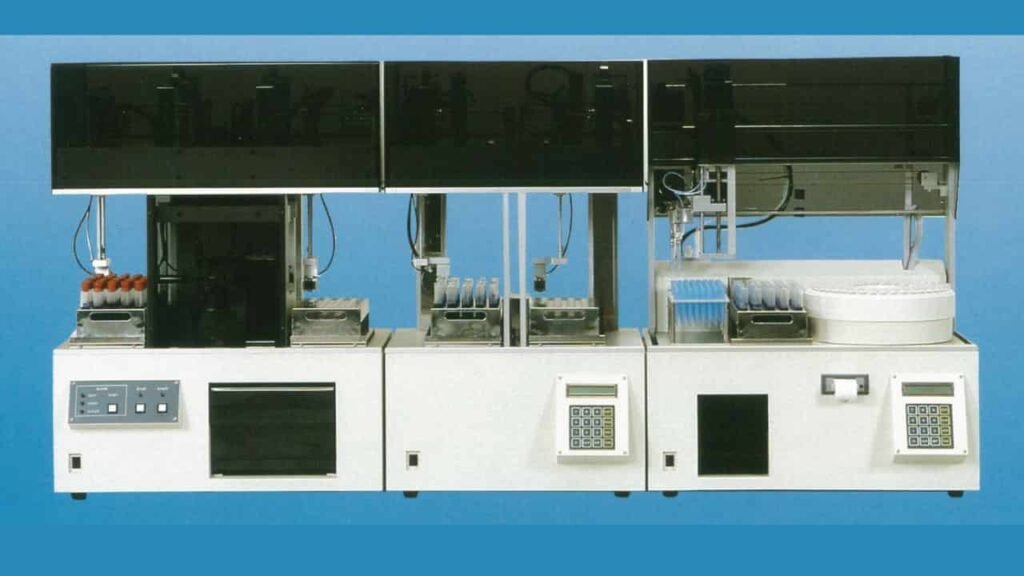
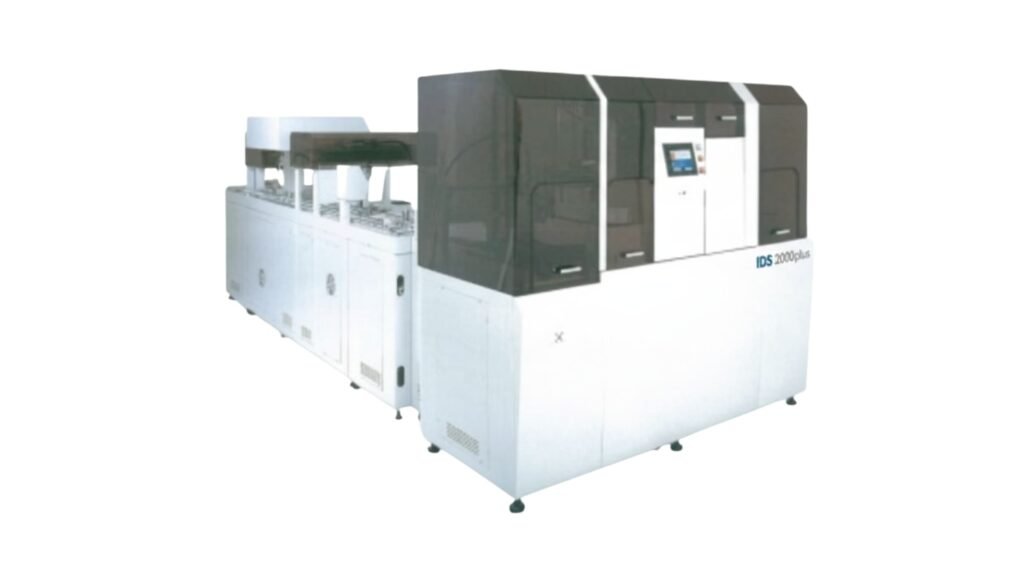
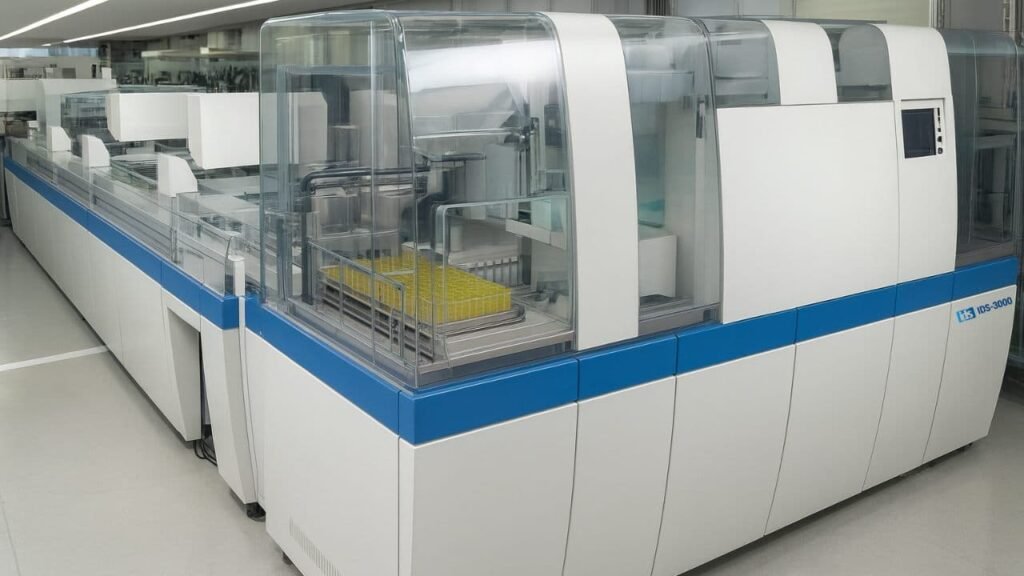
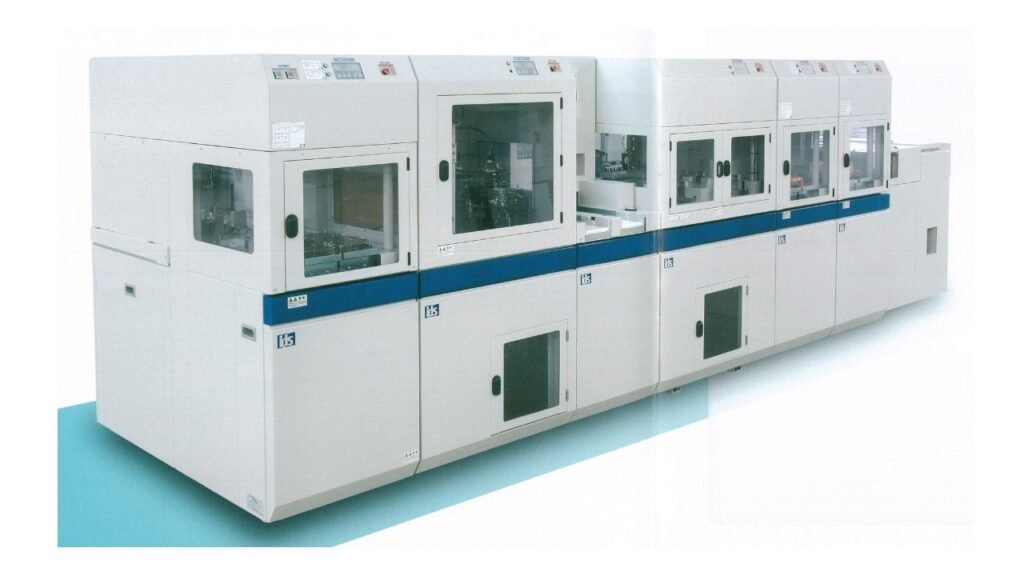
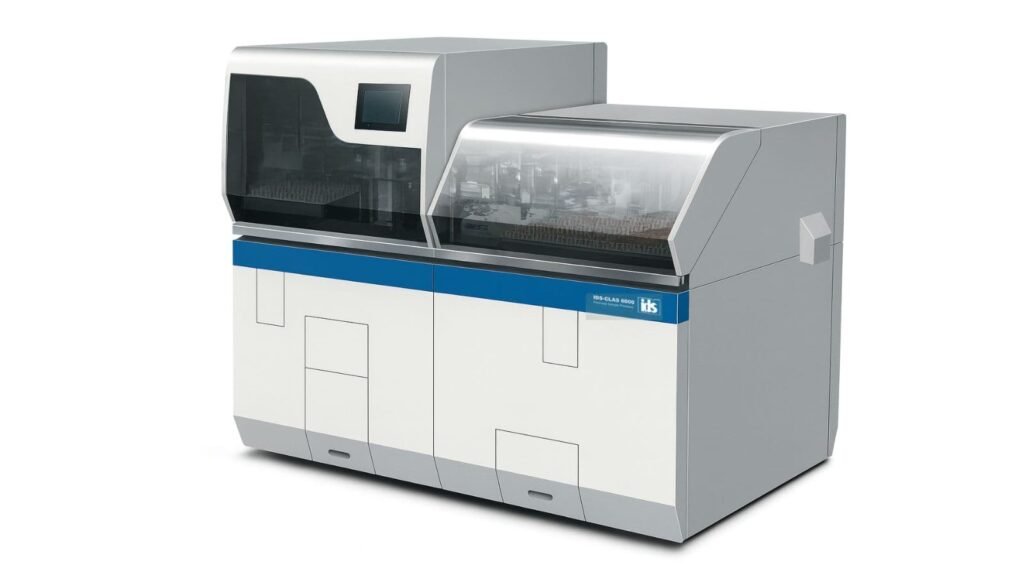
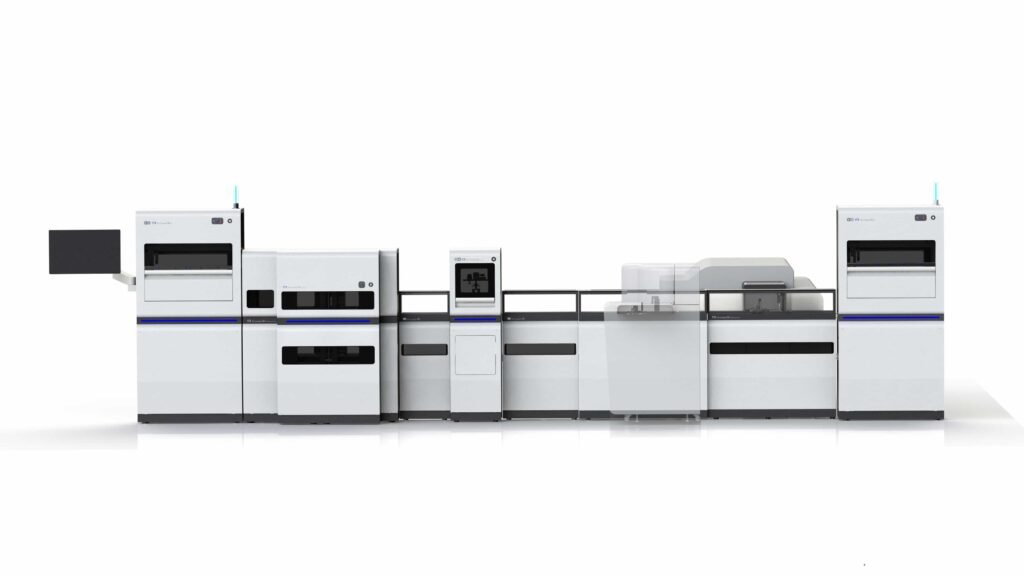
IDS history began in 1957, when chairman Teruaki Itoh founded an electrical engineering company that steadily expanded into the development of custom industrial machines and automation systems. In the late 1970s, the company transformed its expertise into pioneering laboratory automation systems, which laid the foundation for its global role in open automation solutions.
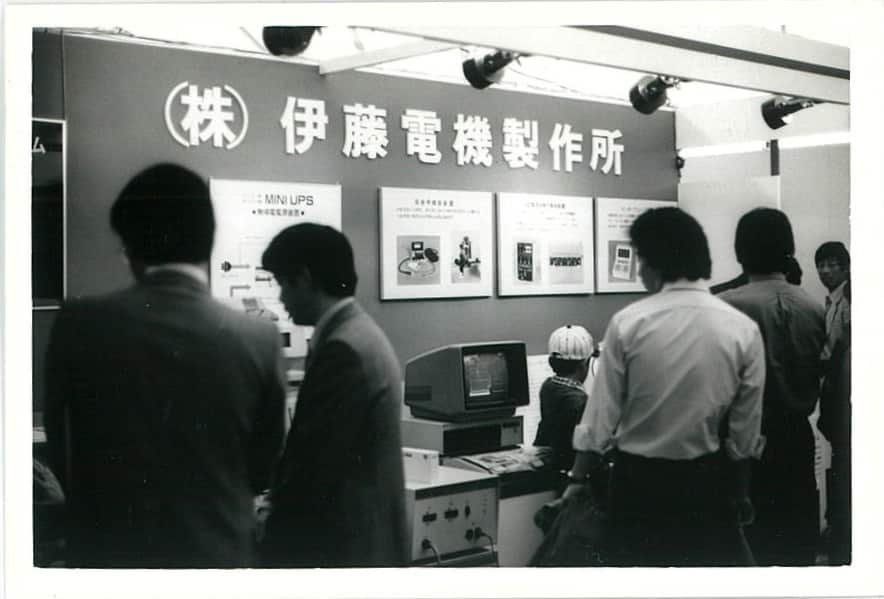
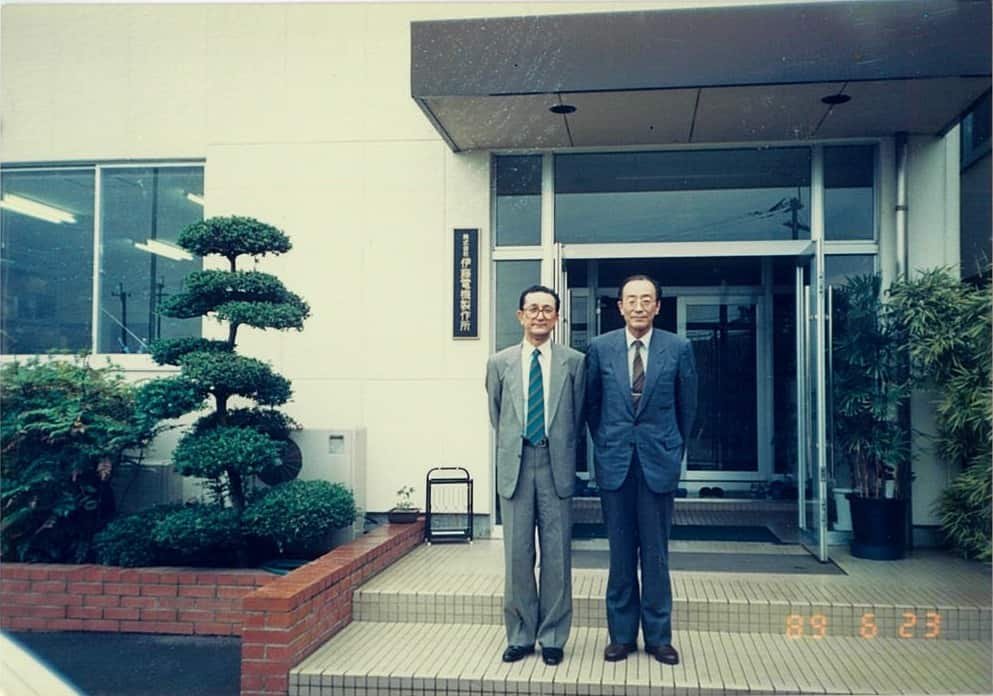
Itoh Denki Seisakusho, (伊藤電機製作所), was established as a specialized electrical and machinery workshop in Kumamoto.
From the outset, the company focused on custom-built electrical systems, control panels, and factory automation related equipment for public infrastructure, commercial facilities, and industrial clients.
1974 - Early Industry Recognition
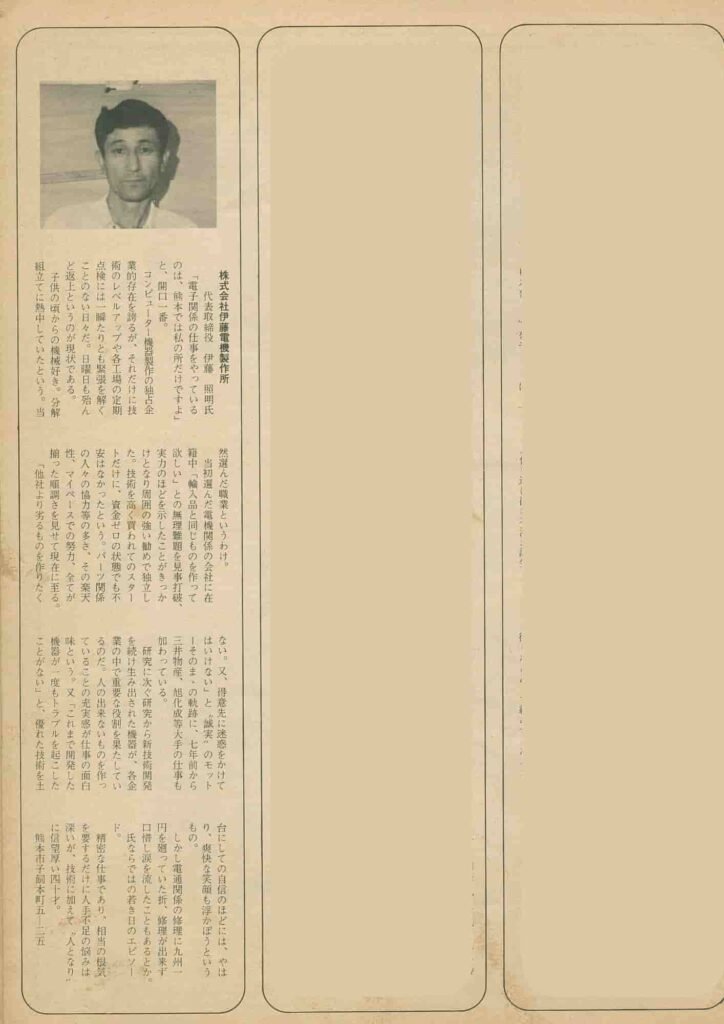
During a period when imported systems dominated the market, Itoh Denki Seisakusho (伊藤電機製作所) distinguished itself by developing high-quality domestic alternatives through independent engineering expertise. The company quickly expanded its work to support major Japanese corporations such as Mitsui & Co. and Asahi Kasei.
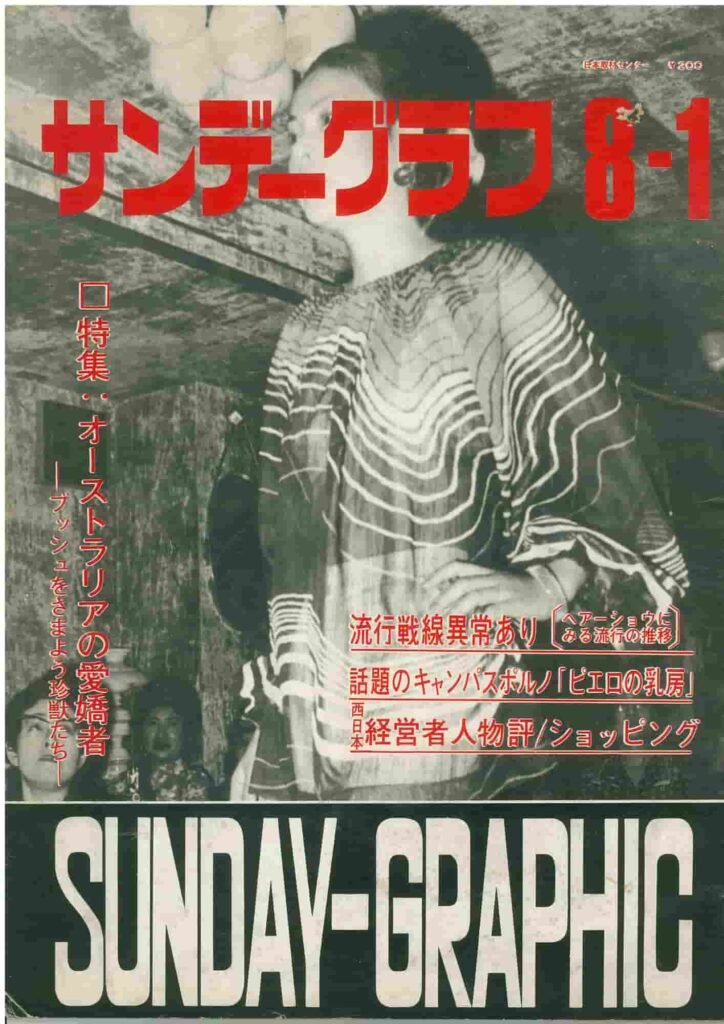
President Teruaki Itoh was featured in a Japanese publication, where he expressed,
“We must never produce anything inferior, and we must never create problems for our customers.”
More than five decades later, that commitment to engineering excellence and customer responsibility remains at the core of IDS.
Reproduced for historical reference. Original publication: Sunday Graphic, August 1974. Copyright remains with the original publisher.
1975 - A pivotal turning point
In 1975, Itoh Denki Seisakusho, was entrusted with the maintenance of AutoChemist automated analyzers. At the time, such systems were large and highly complex, requiring deep technical expertise to operate and sustain. Taking on this engagement from a major healthcare conglomerate that served as the silent engine behind Japan’s clinical testing industry, became a defining moment for Itoh Denki Seisakusho. This moment steered the company toward laboratory automation services and establishing an enduring commitment to product improvement and original system development.
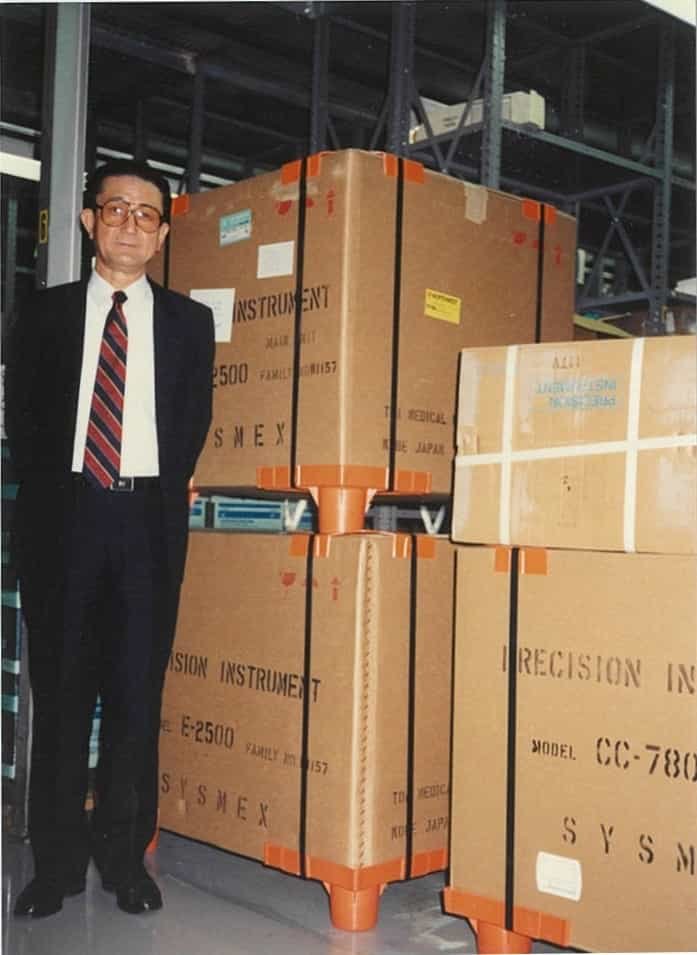
Itoh made his first technical visit to Indianapolis following a request from a U.S.-based diagnostics company. The objective was to evaluate blood analyzers under development for use by a Japanese healthcare conglomerate. This exposure sparked a deeper awareness of the challenges surrounding blood handling safety and efficiency in clinical laboratories.
1981 - Vision for Safer Blood Handling Automation
In 1981, Itoh further advanced his automatic tube decapper concept, aiming to introduce safer, contact-free sample handling to the U.S. market. At the time, many hospitals had not yet recognized the need for such automation as labour was readily available despite lack of safety.
While the technology was ahead of its time, the experience strengthened Itoh’s conviction that laboratory automation and safety would soon become essential.
1982 - Joint Development of Medical Device Interface
Itoh Denki Seisakusho, signed a joint development contract with a major Japanese trading and investment group to deliver 20 units of a Medical Electronic (ME) device interface for a national medical research institute.
The device functioned as a computer interface linking blood analysis and electrocardiogram inspection equipment, enabling the centralized storage of test results.
1984 - Automatic tube decapper
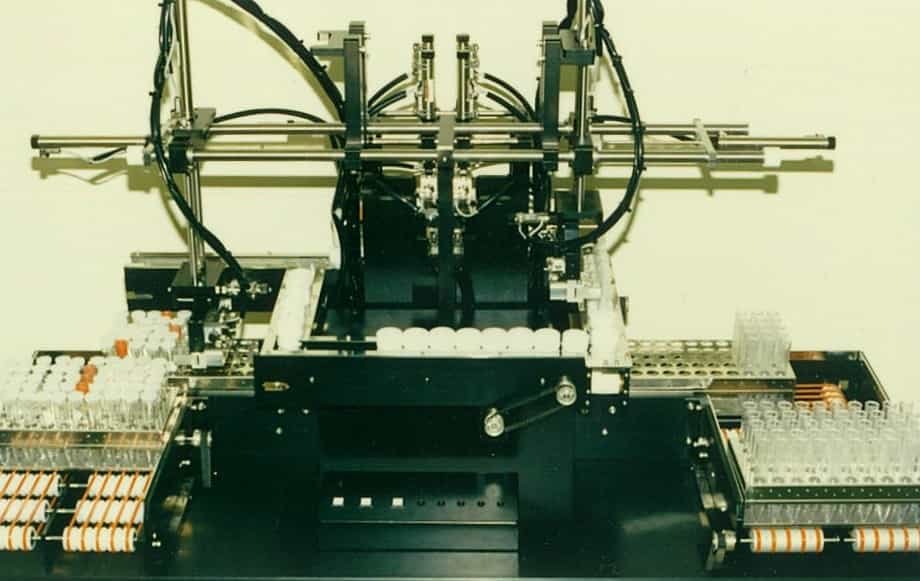
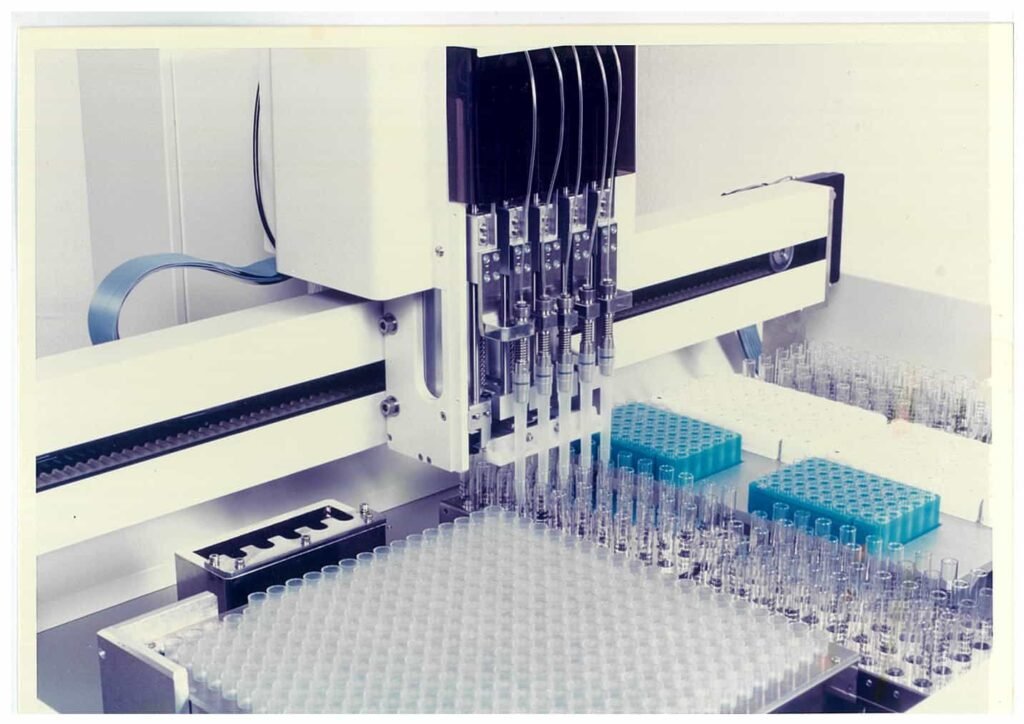
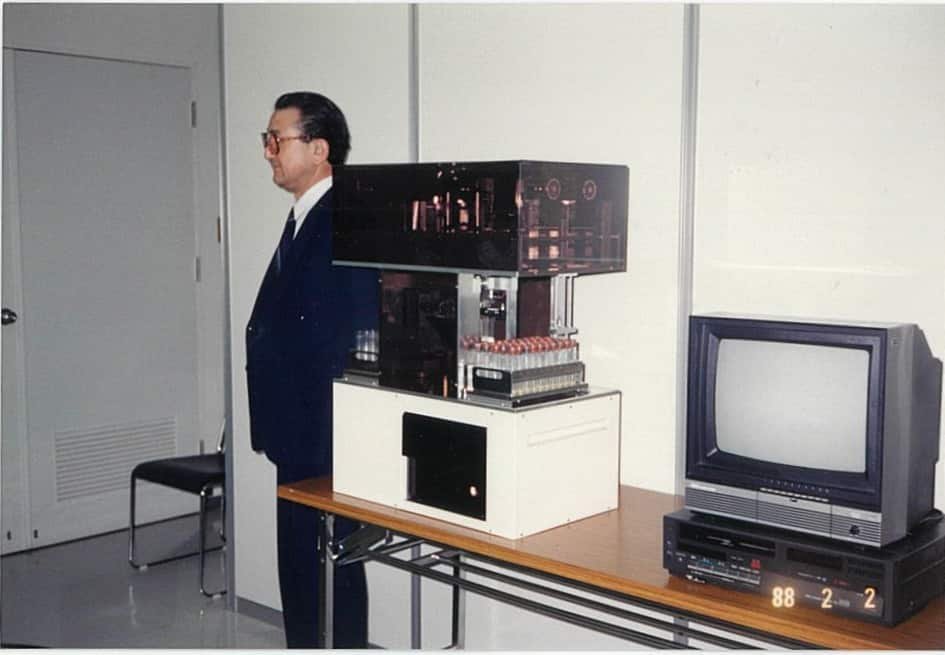
Itoh Denki Seisakusho, developed an automatic test tube decapper as a market-ready product, capable of sensing a loaded test tube and automatically removing the cap. Eliminating the need for repeated button operation by laboratory staff. This was a breakthrough for a equipment to allow a laboratory staff to walk away to manage other task.
Following its development, the system was manufactured and supplied over a multi-year period in response to orders received through the same Japanese major global trading and investment conglomerate.
In July 1984, Itoh Denshi (伊藤電子), was established as a subsidiary to support expanding electronics and automation system development activities.
1985 - Collaboration with Shimane Medical University
Itoh developed a prototype aliquoting system capable of automatically dividing blood samples into multiple secondary tubes based on test requirements. The system was recognized under the Technical Improvement Subsidy program of Japan’s Ministry of International Trade and Industry (MITI), validating its technical originality and innovation.
The technology was later introduced in the United States by a professor from Kurume University School of Medicine, increasing awareness of Itoh’s work among overseas laboratories. Around the same time, an interest by Shimane Medical University supported the development of a custom integrated system in collaboration with the university’s laboratory team.
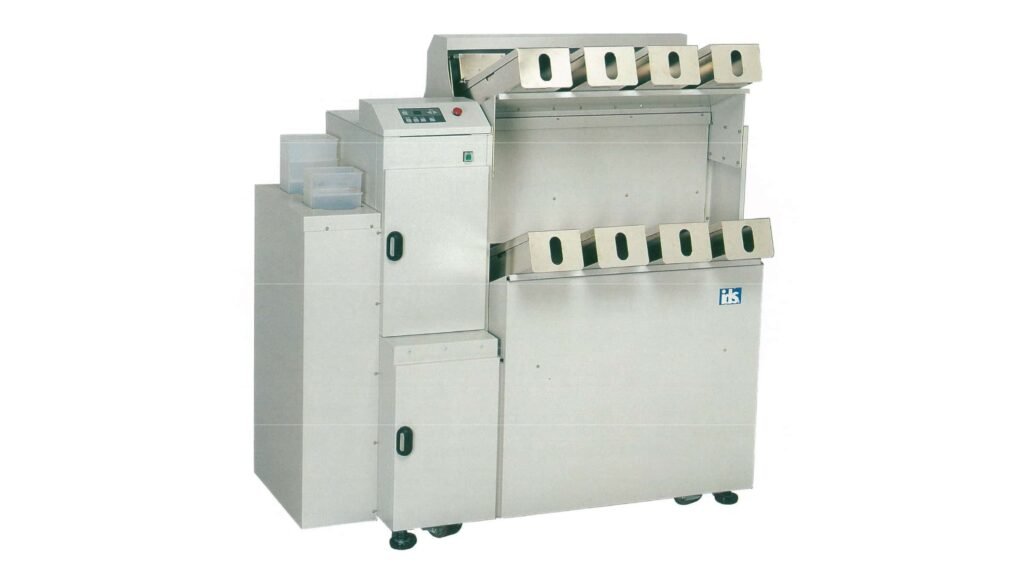
1986 - Joint Development of Aliquot System
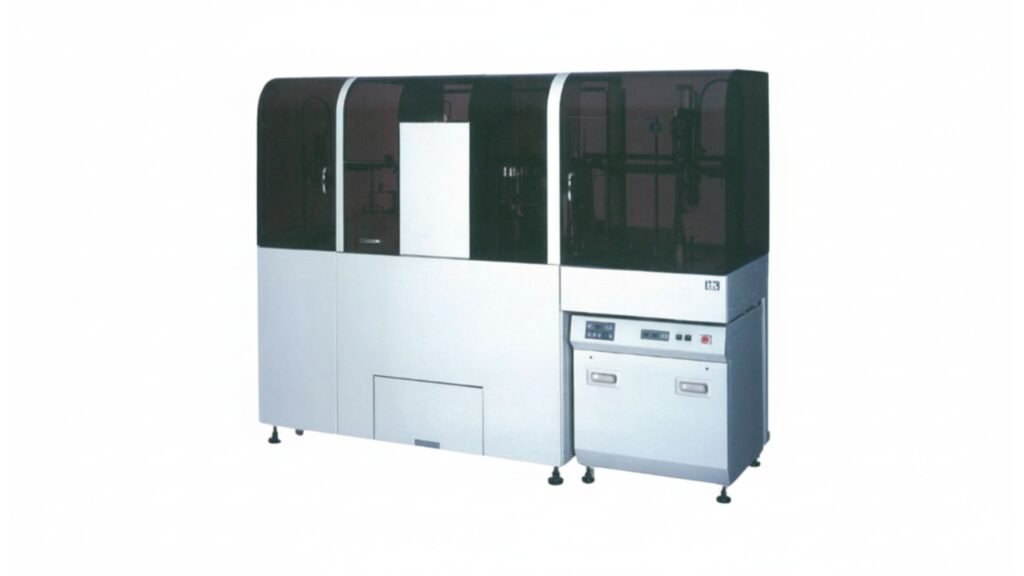
An automatic sorting and dispensing system capable of handling various sample tube types, with a throughput of up to 1,000 blood samples per hour, was jointly developed with a major Japanese trading conglomerate.
The first completed unit was delivered to a healthcare organization in Kasuga City, Fukuoka Prefecture, in late 1986.
1987 - First U.S. Exhibition
Itoh Denshi (伊藤電子), was reorganized into an independent company, focusing exclusively on medical automation manufacturing and separating from the group’s broader electrical operations.
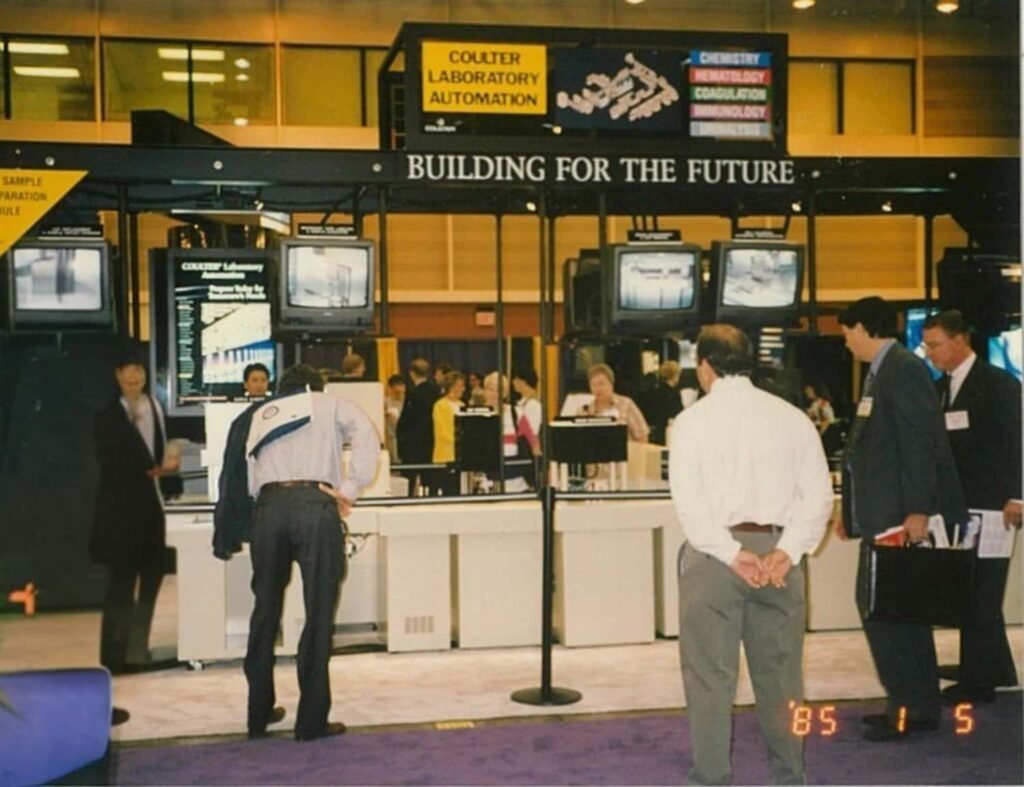
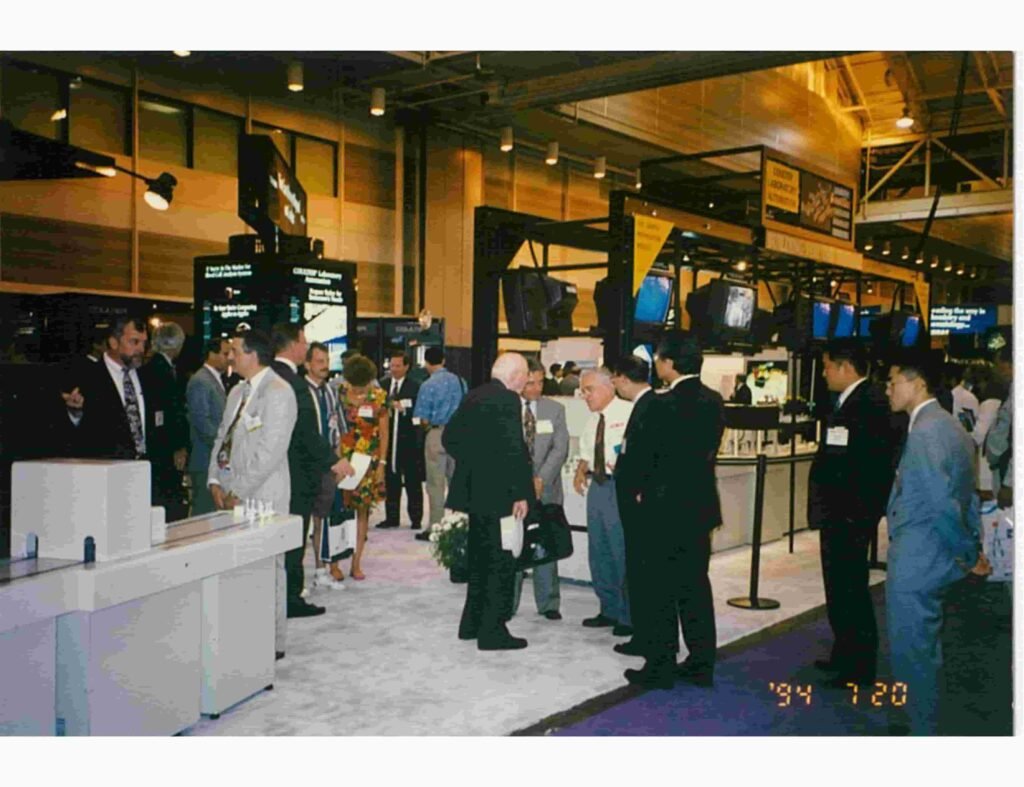
Through an already established relationship with a Kobe-based company that was engaged in research, manufacture, and sale of specimen testing reagents, Itoh Denshi exhibited its technology at a major medical trade show in Florida, USA.
This marked Itoh Denshi’s first major international presentation of its laboratory automation concepts which further sharpened its understanding of real-world laboratory needs.
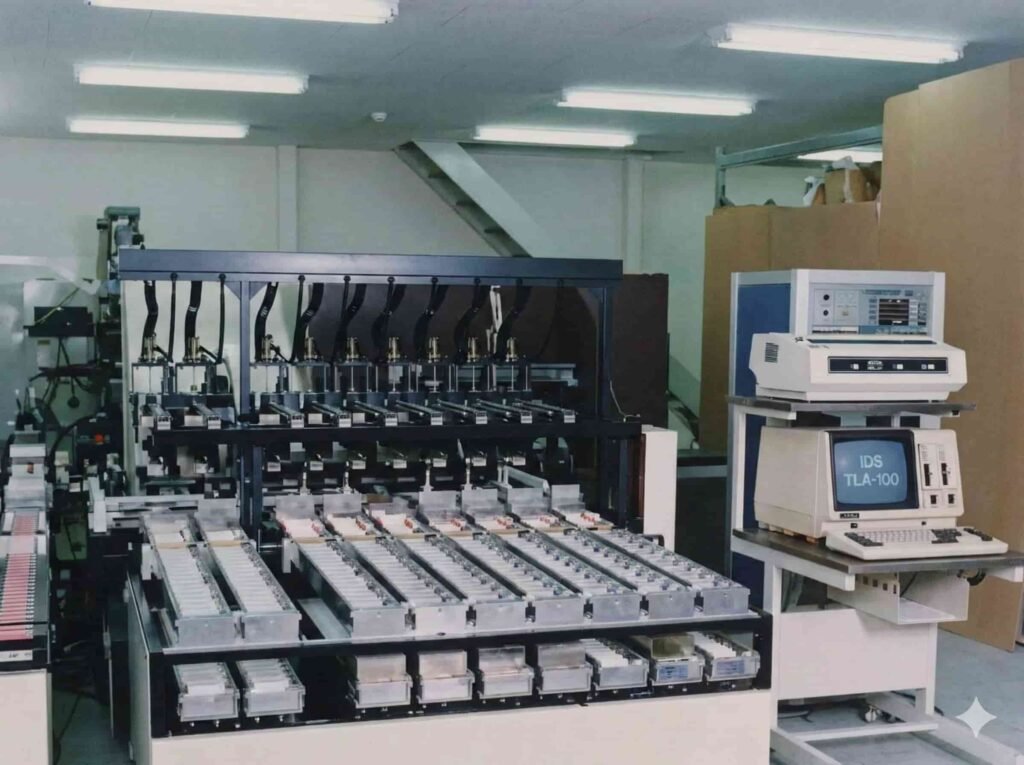
1988 - IDS 1st integrated Specimen Preparation System
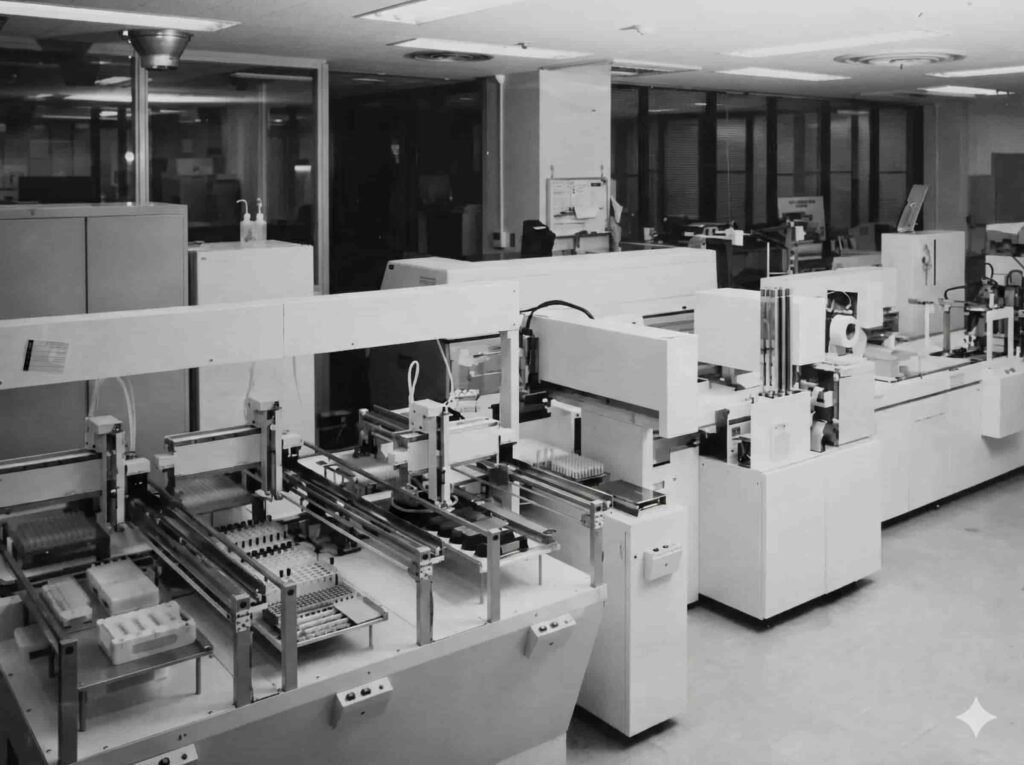
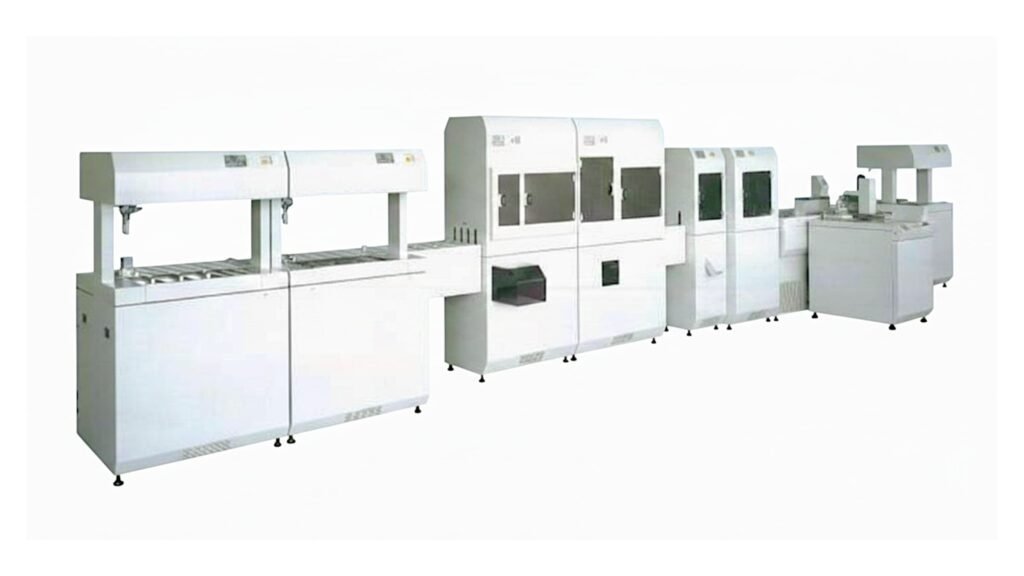
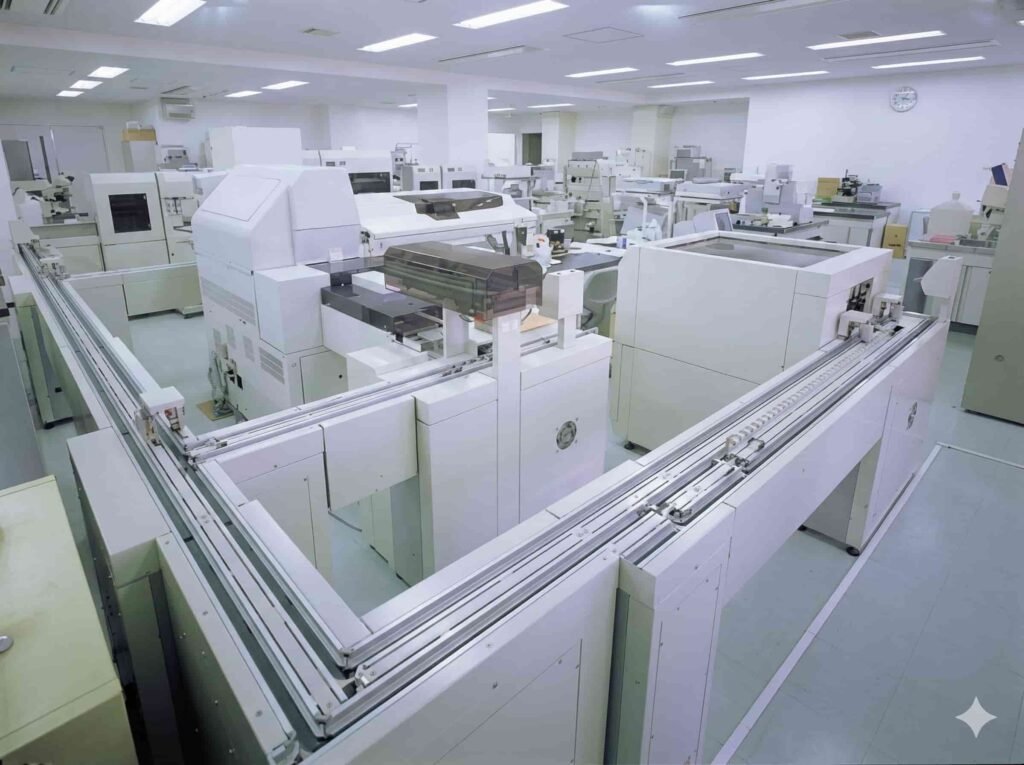
Itoh Denshi completed and installed its first fully integrated pre-analytical sample transport system, later known as TLA-100 at the Shimane Medical University.
Key milestones
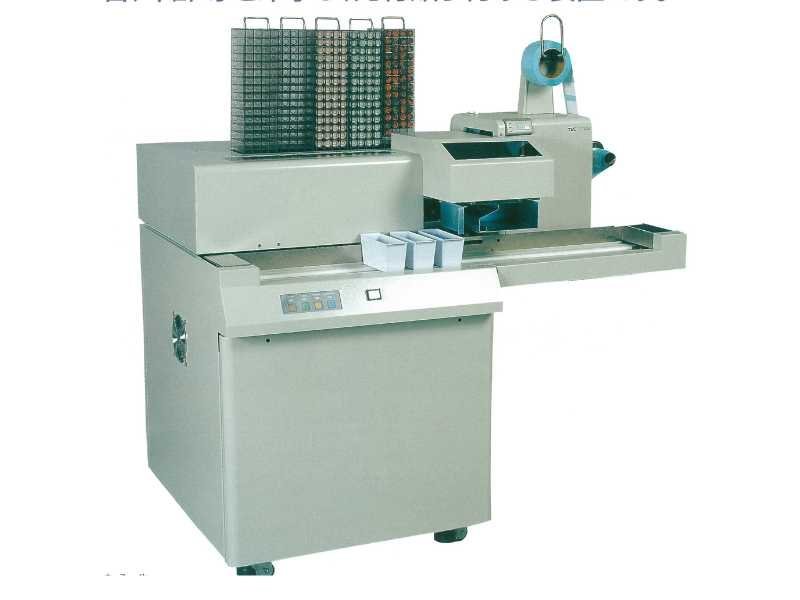
Automated uncapping, barcode labeling, centrifugation, clot detection, aliquoting, and transport to analyzers
Reduced a full day of manual work by ~20 staff to roughly half a day
Minimized manual blood handling, reducing errors and infection risk
Enabled digital data transfer to host systems and physician terminals
Following this breakthrough, the company was renamed IDS.
Early 1990s - Interest from the U.S.
IDS’s open and modular specimen transport system gained U.S. attention through its deployment at Shimane Medical University, where it was connected to Coulter analyzers and demonstrated interoperability with third-party analyzers.
This led to multiple visits by laboratory partners and Coulter representatives to Kumamoto for technical discussions, on-site inspections, and continued exchange of ideas and laboratory needs.
1992 - First International Agreement
IDS entered into an agreement with Coulter Corporation, leading to collaborative efforts in developing custom automation solutions tailored to the needs of laboratories worldwide.
1994 to Present - Domestic & Global Expansion
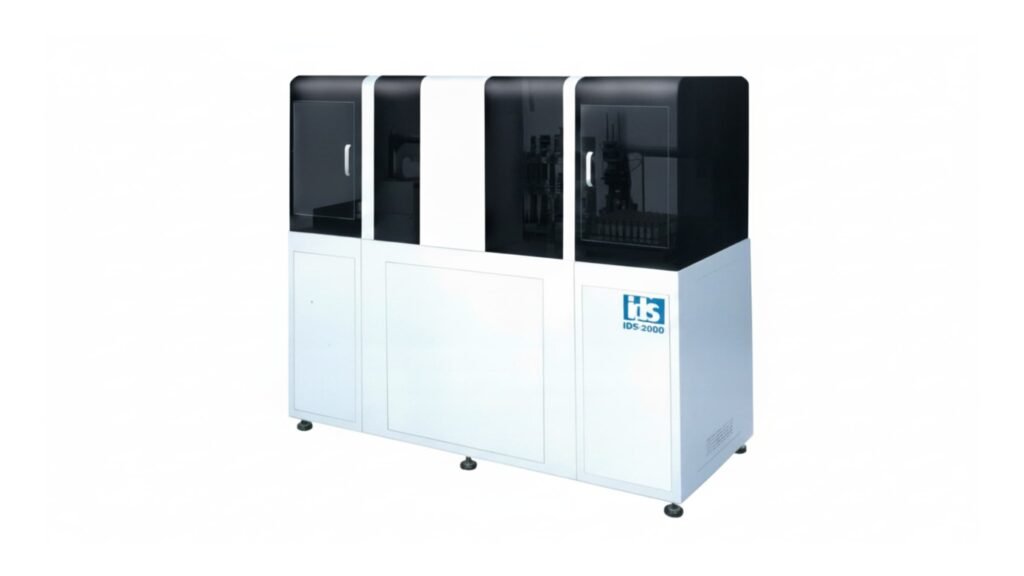
From 1994 onward, IDS expanded its role in OEM manufacturing and deployment of laboratory automation systems worldwide, collaborating with IVD partners to address specialized operational needs.
During this period, systematic expansion of our nationwide office network also ensured comprehensive service coverage and localized support across Japan while achieving rapid growth in market share within the domestic market and neighboring regions, including South Korea.
2000 - Academic Collaboration
IDS concluded a contract research agreement on sample transport systems with the University of Tokyo.
2000 to 2014 - Factory Expansion
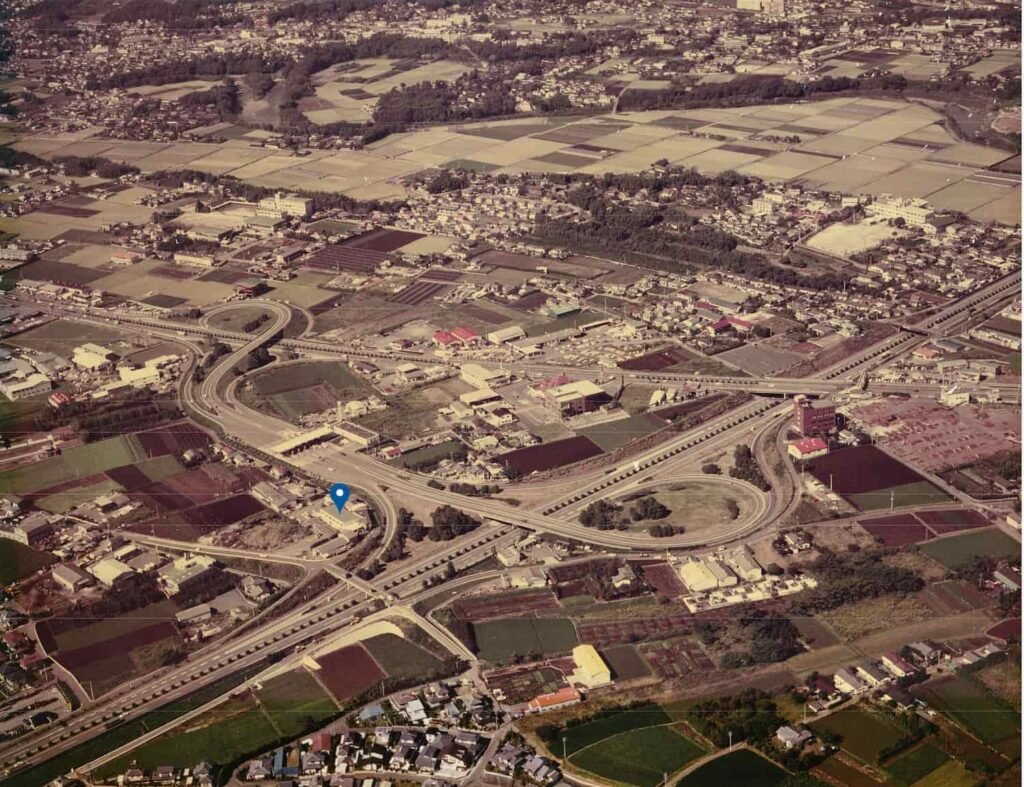
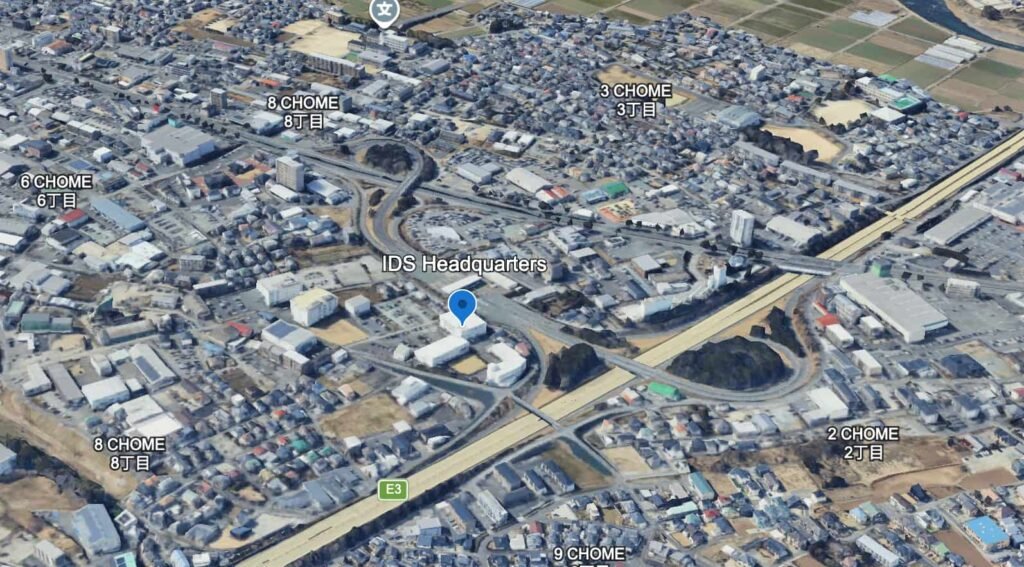
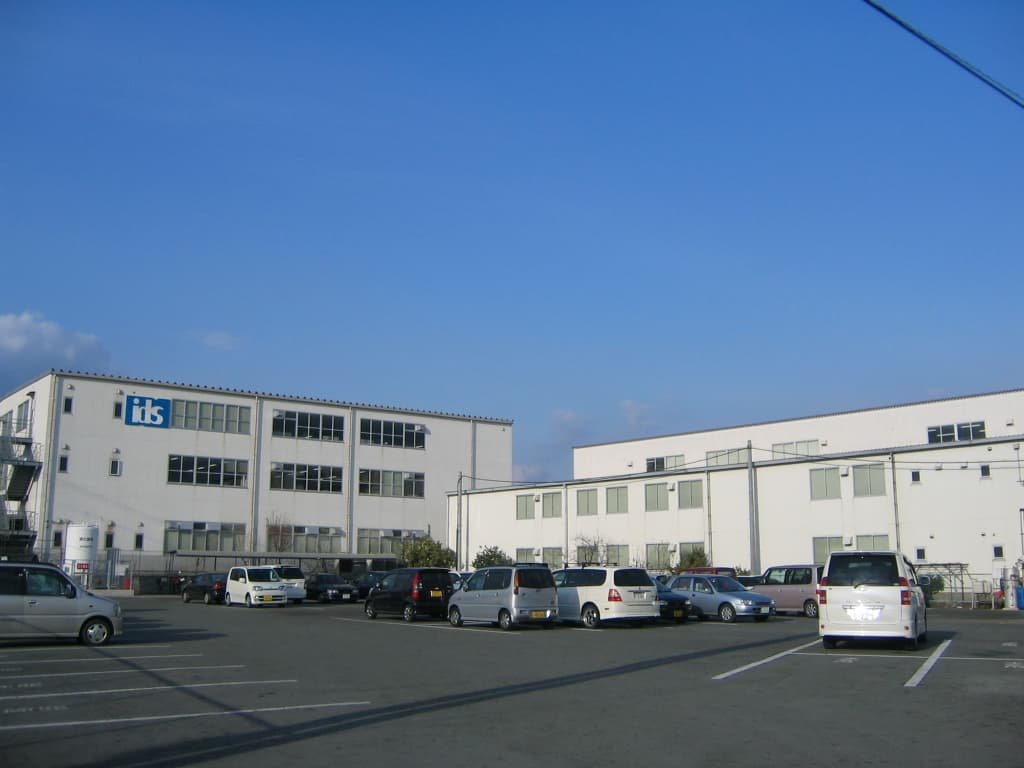
IDS continues to expand its production facilities progessively growing our campus to include seven more factory buildings (2, 3, 5, 6, 7, 8 and 10).
2017 to 2020 - New state-of-the-art Factory
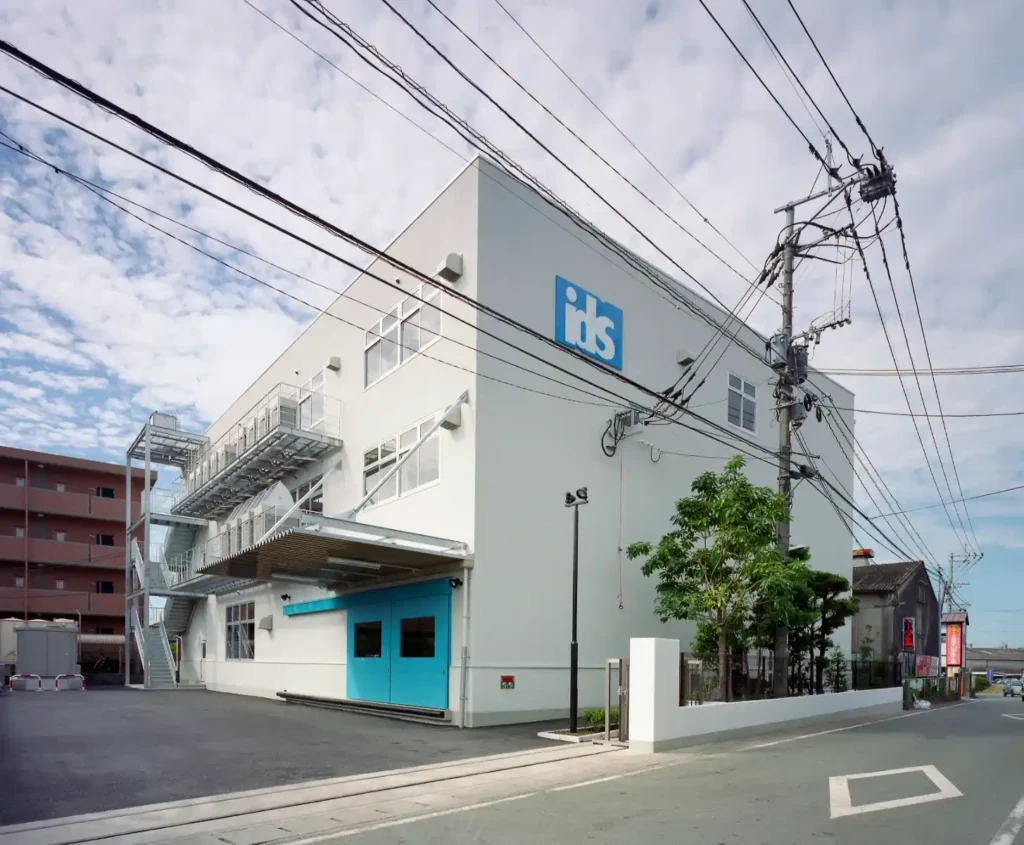
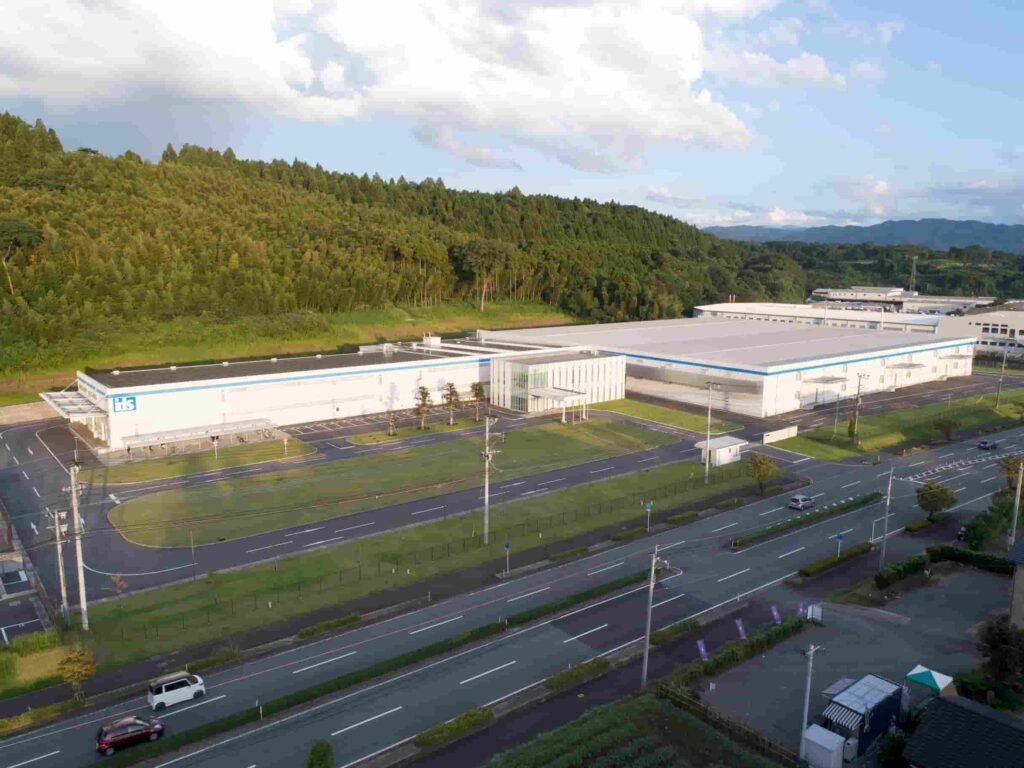
IDS established its state-of-the-art automated factory in Kikuyo, strengthening its vertically integrated manufacturing capabilities.
2022 - Leadership Transition
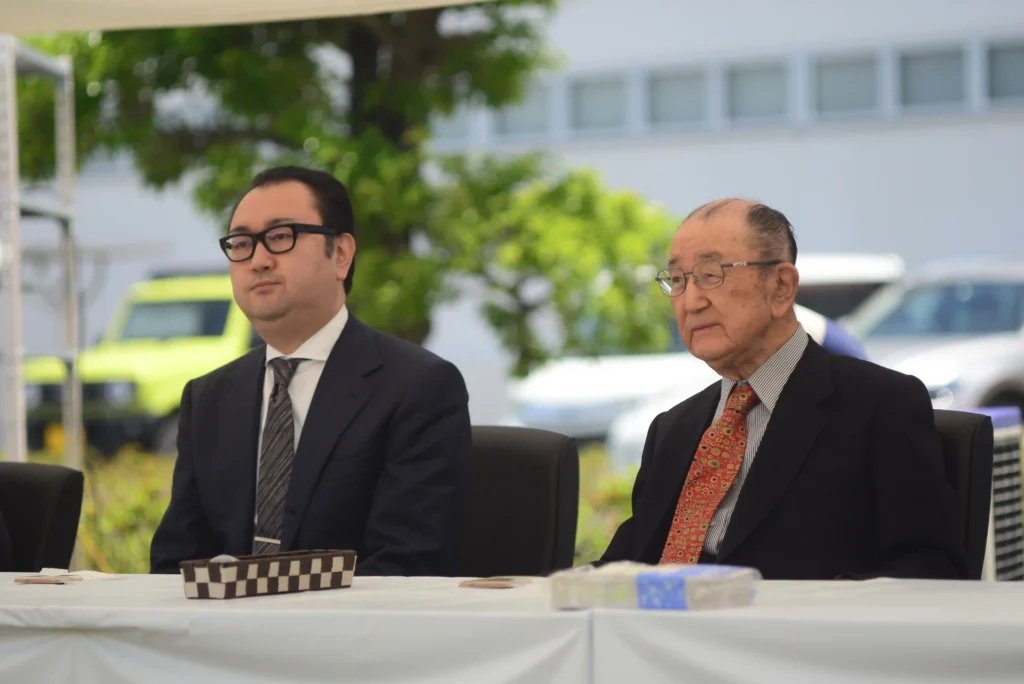
A strategic leadership transition was implemented to support the organization’s next phase of global growth. Teruaki Itoh was appointed Chairman, and Yuichi Itoh assumed the role of President.
President Yuichi Itoh brings extensive operational experience, having held senior roles across manufacturing, engineering, operations, and business strategy. His appointment reinforces a manufacturing-driven philosophy and a continued commitment to consistent quality and technical excellence.