
Youngwon Nam 1, Hyung-Doo Park 2,3,✉
Abstract
Total laboratory automation (TLA) is a transformative solution in clinical laboratories that addresses growing demands for operational efficiency, accuracy, and rapid turnaround times in patient care. TLA integrates advanced technologies across pre-analytical, analytical, and post-analytical phases, thereby streamlining workflows, reducing manual intervention, and enhancing QC. TLA adoption is driven by factors such as increasing test volumes, the need for cost reduction and regulatory compliance, and labor shortages. Key benefits of TLA include improved accuracy through error minimization, optimized resource utilization, enhanced staff well-being, and consistent delivery of high-quality results. Leading companies, including Abbott, Roche, Siemens, and Beckman Coulter, dominate the global TLA market with innovative solutions. Recent developments incorporate artificial intelligence (AI), machine learning, robotics, and Internet-of-things technologies, which enable predictive analytics and automated data management. However, challenges remain, including high implementation costs, the need for workforce training, cybersecurity concerns, and system integration complexities. Future trends indicate that TLA will advance through enhanced AI integration, sustainable practices, and big data analytics, fostering continuous improvements in precision diagnostics and clinical outcomes. Moreover, TLA has the potential to revolutionize laboratory operations globally, driving efficiency, accuracy, and sustainability while ultimately improving patient care. Successful adoption of TLA will require strategic planning, interdisciplinary collaboration, and alignment with emerging healthcare needs. In this review, we emphasize that overcoming these challenges through innovation and robust management is essential for ensuring that TLA continues to play a vital role in modern healthcare systems.
Keywords: Artificial intelligence, Automation, Laboratories
Mentions
Global players in TLA and market share status
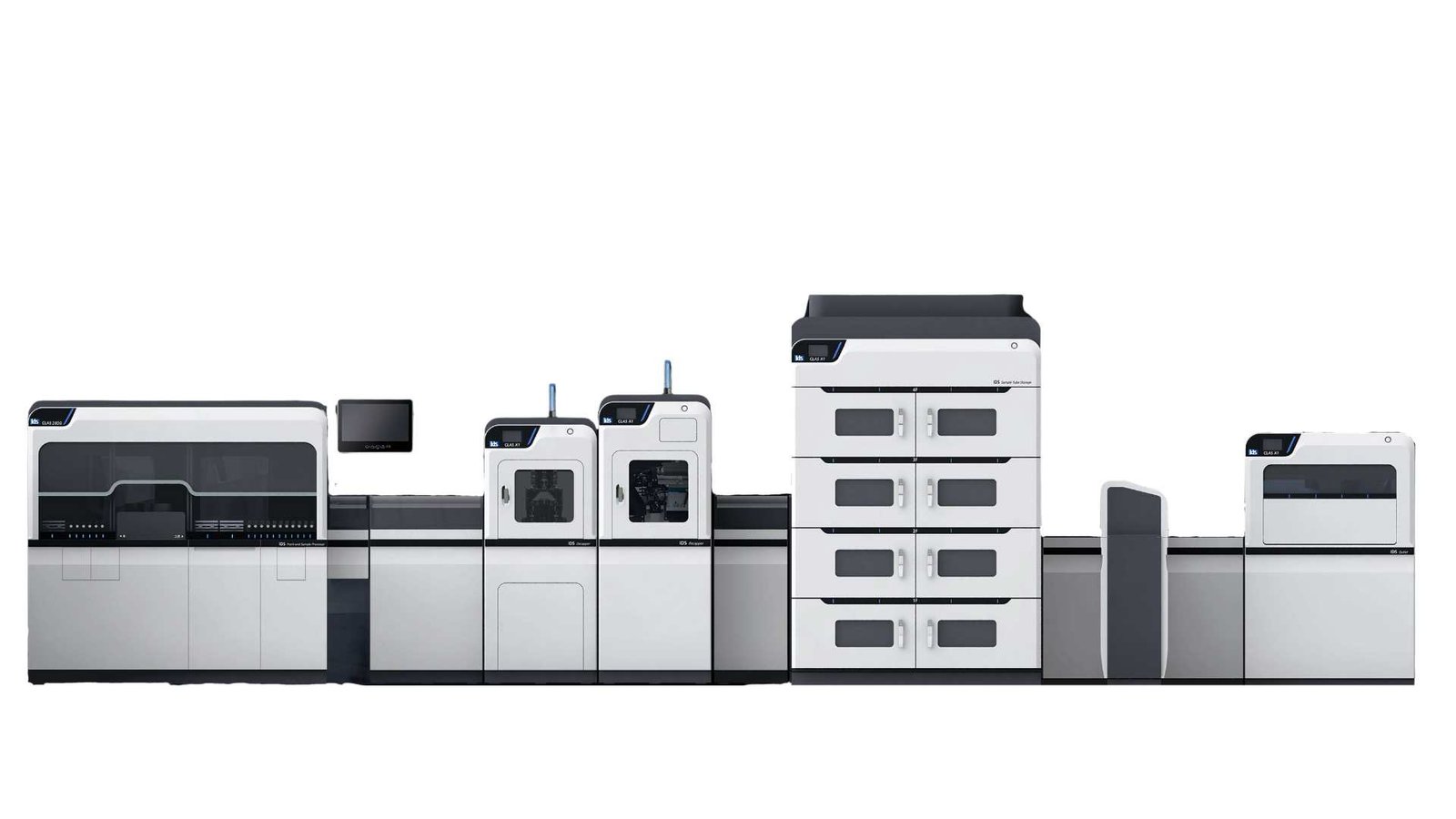
Although discrepancies exist in the reported market size and share for different resources, the global leading companies in the medical TLA market include Abbott Laboratories (representative product: GLP systems Track), Beckman Coulter (DxA 5000 and Power Express), Roche (cobas connection modules: CCM), Siemens Healthineers (Aptio automation), and Thermo Fisher Scientific (TCAutomation). In 2022, these top players collectively accounted for approximately 93% of the global laboratory automation market revenue [29] (Fig. 2A). Other notable players in the TLA market include BD (BD Kiestra), IDS (IDS-CLAS X-1 Series), and A&T (CLINILOG V4). The current global market size of TLA systems was estimated at 5.57–6.1 billion USD in 2023, and the regional market share is the largest in North America (38%). The Asia–Pacific region is predicted to grow at the fastest pace in the global market (Fig. 2B) [30]. In Korea, 115 institutions operated TLA systems in 2024, including tertiary general hospitals (36 out of 47, 77%), general hospitals (58 out of 331, 18%), and large commercial laboratories and health check-up centers (21 out of 52, 40%). The current market share percentages of each system in Korea are as follows: Roche (39%), Beckman Coulter (14%), Siemens (13%), Hitachi (13%), A&T (12%), and Abbott (7%).
